If you have seen “ICL” in a text, chat, or social media post, you may wonder what it means. In most casual online conversations, ICL means “I Can’t Lie.” People use this texting abbreviation when they want to share an honest opinion, genuine feeling, confession, or reaction. For example, someone might text, “ICL, that movie was amazing.” Here, ICL tells the reader that the speaker is being honest about their opinion.
Understanding ICL meaning in text also requires looking at the context. The abbreviation appears in texting, social media, chats, and other forms of digital communication, especially in casual conversations. Although “I Can’t Lie” is the common slang meaning, ICL can have other meanings in different fields. In this guide, you’ll learn what ICL means, how people use it, what tone it conveys, and how it compares with similar expressions such as NGL, TBH, and FR.
Quick Answer:
ICL usually means “I Can’t Lie” in texting, chat, and social media. People use this internet slang to show that they are about to share an honest opinion, feeling, reaction, or confession. For example, “ICL, this song is really good” means “I can’t lie, this song is really good.” It works like “honestly” or “to be honest.”
The ICL meaning in text is casual and informal, so you will usually see it in messages, comments, DMs, and group chats. While “I Can’t Lie” is the most common meaning in online conversations, the abbreviation can have different meanings in other fields. Context helps you understand which meaning the writer intends.
TL;DR 📝
ICL usually means “I Can’t Lie” in texting, chats, and social media. 💬 People use it to introduce an honest opinion, genuine feeling, confession, compliment, or reaction. It is casual internet slang and works best in informal conversations. ICL is similar to NGL and TBH, but the expressions are not always used in exactly the same way.
The tone can be positive, negative, or neutral depending on the sentence. If you see ICL in a medical, technical, or business context, its meaning may be different, so always consider the context. 🔍
You Might Also Like That: TBH Meaning Explained
What Does ICL Mean in Texting? 📱
In texting, ICL means “I Can’t Lie.” People use this abbreviation when they want to make their message sound honest or direct. It can introduce an opinion, admission, compliment, complaint, or personal reaction. For example, “ICL, I forgot to call you” means the person openly admits that they forgot. This makes ICL in text a simple way to show honesty without typing the full phrase.
The ICL meaning in texting does not change much from one conversation to another. However, the feeling behind it can change depending on the words that follow. Someone can use ICL before a positive statement, a negative opinion, or a simple personal thought. That is why the surrounding sentence matters when understanding this texting abbreviation.
What Does ICL Mean on Social Media? 📲
On social media, ICL works as casual online slang. People may use it in TikTok comments, Instagram messages, Snapchat chats, WhatsApp conversations, X posts, and other online spaces. You might see someone write “ICL, I didn’t expect that” after watching a video or reading a post. In this case, ICL adds a feeling of honesty to the person’s reaction.
The ICL meaning on social media remains “I Can’t Lie,” but users often choose it because it is short and easy to type. It can appear in comments, captions, replies, and DMs. Since social media favors quick communication, abbreviations such as ICL can make a message feel more natural and conversational. 💬
How Is ICL Used in a Conversation? 🗣️
People use ICL in several everyday situations. They may use it before an honest opinion, a confession, a compliment, or an emotional reaction. For example, “ICL, you did a great job” shows praise, while “ICL, I don’t like that idea” gives a direct opinion. In both examples, ICL tells the reader that the speaker wants to be honest.
You can also use ICL when admitting something or emphasizing a genuine feeling. Common uses include:
- 💭 Sharing an honest opinion
- ❤️ Expressing a genuine feeling
- 😅 Admitting something
- 👍 Giving a sincere compliment
- 😮 Showing a real reaction
- 💬 Making a direct statement
ICL Meaning With Real Texting Examples ✨
Real examples make the ICL slang meaning easier to understand. The abbreviation usually comes before a statement, but the sentence can take many forms. For example, “ICL, that restaurant was amazing” expresses praise, while “ICL, I was nervous before the test” shares a personal feeling. The meaning stays the same even though the topic changes.
Here are some natural ICL examples:
- ❤️ “ICL, you look great today.”
- 😂 “ICL, that joke was hilarious.”
- 😬 “ICL, I forgot your birthday.”
- 🎵 “ICL, this song is better than I expected.”
- 🤔 “ICL, I don’t understand that decision.”
- 😮 “ICL, I didn’t think you’d win.”
Where Does ICL Appear in a Sentence? ✍️
Most people place ICL at the beginning of a sentence because it introduces what they are about to say. For example, “ICL, this is my favorite movie” sounds natural in a text message. However, people can also place ICL later in a sentence for emphasis. The exact position depends on the writer’s style and the flow of the conversation.
You may see forms such as:
- Beginning: “ICL, that was fun.”
- Middle: “That was, ICL, one of the best games.”
- End: “That was one of the best games, ICL.”
The beginning position usually sounds the most natural in casual texting.
What Tone Does ICL Convey? 🎯
The ICL tone is usually casual, honest, direct, and conversational. People often use it when they want their message to feel personal or sincere. It can make a statement sound like the speaker is sharing what they really think instead of giving a carefully prepared answer. This makes ICL common in informal conversations and online communication.
However, ICL does not automatically create a positive or negative tone. The rest of the sentence determines the feeling. For example, “ICL, you’re amazing” sounds positive, while “ICL, that was a bad idea” sounds critical. The abbreviation simply highlights the speaker’s honesty.
Is ICL Positive, Negative, or Neutral? ⚖️
ICL can be positive, negative, or neutral. The abbreviation itself does not express praise or criticism. Instead, it introduces the speaker’s genuine thought or reaction. For example, “ICL, I love this” has a positive tone, while “ICL, I don’t like it” has a negative tone. A neutral example could be “ICL, I haven’t watched that movie yet.”
This makes ICL useful in many conversations. If someone asks whether ICL is positive or negative, the best answer is neither by itself. Look at the words around it to understand the speaker’s real meaning and emotion. 😊
ICL vs NGL: What’s the Difference? 🔄
ICL means “I Can’t Lie,” while NGL means “Not Gonna Lie.” Both expressions help people introduce an honest opinion, feeling, or reaction. For example, “ICL, that was impressive” and “NGL, that was impressive” have almost the same meaning. Both tell the reader that the speaker is being honest.
The main difference comes from the wording and personal preference. Some online communities may use one more often than the other, while some people use them interchangeably. The ICL vs NGL distinction does not have one universal rule. Context, region, age group, and online community can influence which expression sounds more natural.
ICL vs TBH, FR, and Other Similar Slang 🔤
Several texting abbreviations can express honesty or agreement, but they do not always work in exactly the same way. TBH means “To Be Honest” and directly introduces an honest opinion. FR means “For Real” and usually emphasizes agreement, seriousness, or truth. NGL and ICL both commonly introduce candid thoughts.
A simple comparison can help:
| Slang | Meaning | Common Use |
| ICL | I Can’t Lie | Honest opinion |
| NGL | Not Gonna Lie | Honest reaction |
| TBH | To Be Honest | Direct opinion |
| FR | For Real | Agreement or emphasis |
You Might Also Like That: TTY Meaning Explained
Is ICL Slang or an Acronym? 🧩
ICL is an informal abbreviation used as internet slang. It comes from the first letters of “I Can’t Lie.” People mainly use it in digital communication because short expressions make casual conversations faster and easier. You are more likely to see ICL in a text, comment, DM, or group chat than in formal English.
Because ICL belongs to modern online language, its use depends on the community and context. It is not something you normally need to use in academic or professional writing. If you want a formal alternative, simply write “honestly,” “to be honest,” or “in my opinion.”
Is ICL Formal or Informal? 📝
ICL is informal. It works well when talking with friends, chatting online, commenting on social media, or sending casual messages. For example, “ICL, I really enjoyed that movie” sounds natural in a conversation with a friend. The short form helps keep the message relaxed and friendly.
You should generally avoid ICL in formal situations such as academic assignments, professional emails, business reports, or official documents. In those settings, use a complete phrase such as “to be honest” or “honestly.” Choosing the right form helps your writing match the situation.
How Do You Respond to ICL? 💬
How you respond to ICL depends on what the person says after it. If they share an opinion you agree with, you can simply agree. If they make a confession, you can respond with understanding. If they give a strong opinion, you can share your own view. There is no special response required just because someone uses ICL.
For example:
- 👍 “I agree!”
- 😊 “Honestly, same.”
- 💭 “I get what you mean.”
- 😂 “Haha, I was thinking the same thing.”
- 🤔 “Really? Why do you think that?”
Can ICL Sound Rude or Blunt? ⚠️
ICL is not naturally rude, but the statement that follows it can sound blunt. Since ICL introduces an honest thought, someone may use it before criticism or disagreement. For example, “ICL, that wasn’t your best idea” can feel direct even though the abbreviation itself is not offensive.
Your relationship with the other person also matters. A close friend may accept a blunt ICL statement easily, while the same words could sound harsh to someone you barely know. If you want to sound softer, combine ICL with polite wording instead of using it to make a harsh statement.
Why Has ICL Become Popular? 📈
ICL has become useful in online communication because it is short, simple, and expressive. People often want to show honesty without typing a complete sentence such as “I can’t lie.” Like other internet slang terms, ICL fits the quick style of texting, comments, DMs, and group chats.
Its popularity also connects with other honesty-based expressions such as NGL, TBH, and FR. Online communities constantly create, shorten, and spread new expressions. However, popularity can vary between platforms, regions, and age groups. Not everyone who speaks English will recognize ICL immediately, so context still matters.
Is ICL More Common in Certain Online Communities? 🌐
The use of ICL can vary between communities and regions. Some people may see it regularly in online conversations, while others may rarely encounter it. Differences can appear between age groups, social platforms, countries, and online communities. This means it is better to describe ICL as modern internet slang rather than claiming that everyone uses it.
The comparison between ICL and NGL also shows this variation. Some people treat the expressions as interchangeable, while others notice different usage habits. If someone does not understand ICL, the surrounding sentence usually provides enough information to explain what the writer means.
How to Tell Which Meaning of ICL Is Intended 🔍
The context around ICL usually gives you the answer. If you see ICL in a text message such as “ICL, I love this song,” it almost certainly means “I Can’t Lie.” If you see ICL in a medical article about eye treatment, the abbreviation may refer to something completely different.
A simple rule can help:
- 📱 Texting/social media: likely I Can’t Lie
- 👁️ Eye or medical content: another meaning may apply
- 💻 Technology: check the surrounding technical terms
- 🏢 Business/history: look at the organization or subject being discussed
Other Meanings of ICL 🧠
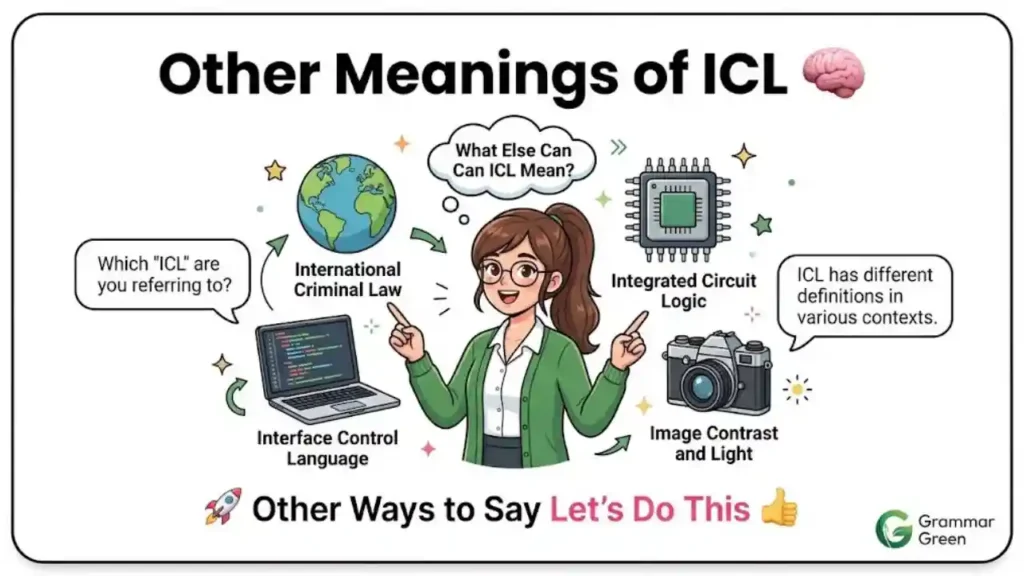
Although “I Can’t Lie” is the main meaning for texting and online slang, ICL can represent other terms in different fields. One well-known medical meaning is Implantable Collamer Lens, a type of lens used in eye-related treatment. ICL has also been used for names connected with technology and business.
For a texting article, these meanings should remain secondary. Urban Dictionary also contains several user-created expansions, showing that abbreviations can develop different meanings in different communities. The safest approach is to check the topic, surrounding words, and platform before deciding what ICL means. 🔎
You Might Also Like That: CYA Meaning
Frequently Asked Questions About ICL ❓
What does ICL mean in text?
ICL means “I Can’t Lie” in most casual texting and online conversations. It introduces an honest opinion, feeling, reaction, or admission.
What does ICL stand for?
ICL commonly stands for “I Can’t Lie.” It is an informal abbreviation used in digital communication.
Is ICL the same as NGL?
They are very similar. ICL means “I Can’t Lie,” while NGL means “Not Gonna Lie.” Both can introduce an honest statement.
Is ICL formal?
No. ICL is informal internet slang and generally does not belong in academic or professional writing.
How do you respond to ICL?
Respond naturally to the statement that follows it. You can agree, disagree politely, share your opinion, or ask a question.
Conclusion
ICL usually means “I Can’t Lie” in texting, chats, and social media. People use it to introduce an honest opinion, genuine feeling, confession, compliment, or reaction. The expression is casual and works best in informal conversations with friends or online communities.
ICL is similar to NGL and can sometimes work like TBH, although each abbreviation has its own common usage. The tone can be positive, negative, or neutral depending on the sentence. If you see ICL outside texting, always check the context, because the abbreviation can have other meanings in medical, technical, and business settings.